THE VOICE OF THE LAND
Throughout time, Drury has seen many travellers journey across its well worn paths, making the passage by land and sea, to reconnect, rest and replenish.
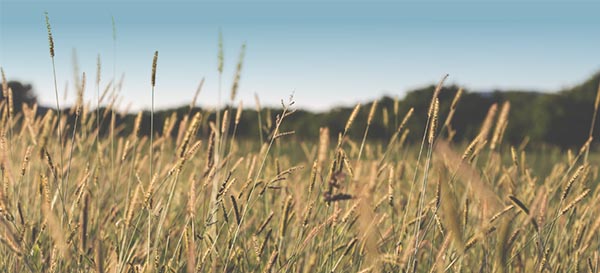
From the early Māori who moved through this land from the north and south, stopping to meet, grow and gather supplies - to the early settlers who discovered the unique qualities within its soil and rock beneath.
As a narrow pathway through the region, a great many mana whenua identify with this land, including Ngāi Tai ki Tāmaki, Ngāti Tamaoho, Ngāti Te Ata, Ngāti Whanaunga and Te Ākitai Waiohua. Each have engaged frequently as development has evolved in the area, bringing understanding of their care for the land its voice.
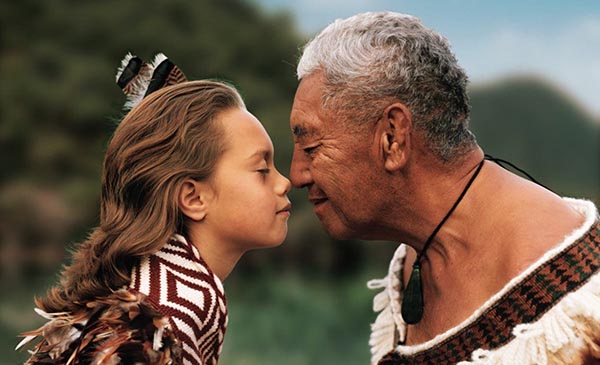
Key contributions include the placement of cultural markers within reserve areas, with each of the five iwi providing a pou, or pillar that signifies an anchoring point to support those who gather here.
As part of the cultural assessment recognising the voice of this land and it’s people, guidance has been given for themes to be applied to each of the three precincts, with Movement being given to the precinct bordered by Waihoehoe, Drury Hills, and Fitzgerald Roads.
Additionally, an archaeological assessment revealed the extraction of coal in the Drury foothills by the first European settlers, used to heat kilns for the Drury Brickworks during the early 1900s.
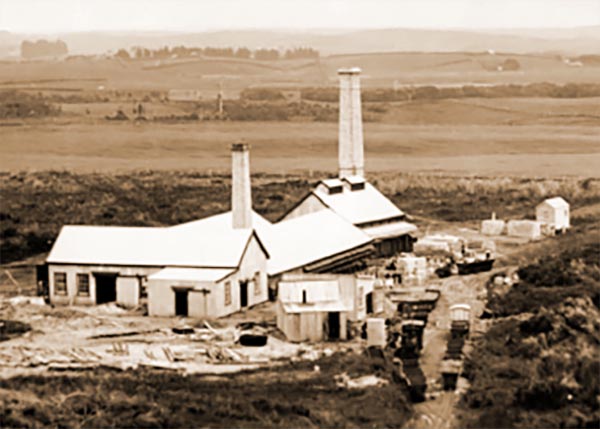
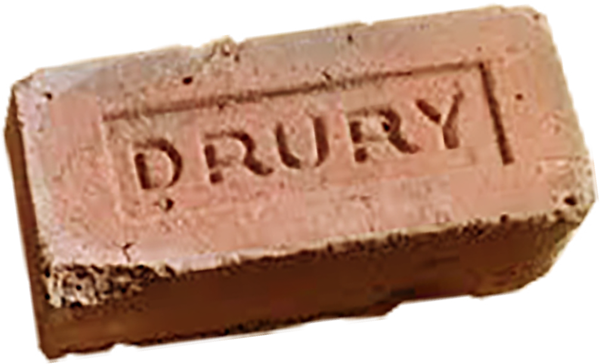
The local clay that formed above the reddish quartz-like rock beneath, known as Feldspar, produced a ceramic quality when fired, forming the ideal brick for use in kilns, fireplaces, and chimneys, also being used for chimney pots and other heat resistant earthenware.
Horse drawn carts were used to transport the coal, clay and bricks from the foothills across this land to the Drury Railway Station, on a tramway built from rimu. This activity further strengthens the theme of movement across this land, weaving the narrative thoughtfully into the activity of its earliest inhabitants.
As such, road names for the development include a mix of English and Te Reo names, each relating to the activity and theme of movement given to this land.
The following road names reflect the theme of Movement, with the English names relating to the dominant activity across this land during the 1900s, and Te Reo names either a literal interpretation of movement, or native species that migrated to and from, or occupied this land.
Feldspar Crossing Drive
The geology of this land reveals a large layer of rock forming mineral called Feldspar, a reddish brown silicate that is responsible for the area’s reddish clay that became the source for the ‘Drury Fire Bricks’ due to its high heat and glazing capacities. The raw materials and final products from the claypit and brickworks were hauled from the eastern foothills to the western railway station via a totara track tramway, weaving together the themes of movement across the land.
Coalseam Crescent
Continuing the story around the coal, rock, minerals and clay that was extracted from this land and hauled from east to west, this road name reflects the coal that was discovered and mined from 1858 and used to heat the kilns at Drury Brickworks. This road also rises in elevation from south to north.
Miners Rise
Continuing the story around the coal, rock, minerals and clay that was extracted from this land and hauled from east to west, this road name reflects the coal that was discovered and mined from 1858 and used to heat the kilns at Drury Brickworks. This road also rises in elevation from south to north.
Redpath Road
Further expanding the geological story of widespread Feldspar rock forming mineral beneath this land that is responsible for the reddish brown clay with high heat capacity for making fire bricks that made its pathway from the foothills to the railway station.
Brickworks Road
Further expanding the geological story of widespread Feldspar rock forming mineral beneath this land that is responsible for the reddish brown clay with high heat capacity for making fire bricks that made its pathway from the foothills to the railway station.
Claypit Road
Further expanding the geological story of widespread Feldspar rock forming mineral beneath this land that is responsible for the reddish brown clay with high heat capacity for making fire bricks that made its pathway from the foothills to the railway station.
Potters Lane
Further expanding the geological story of widespread Feldspar rock forming mineral beneath this land that is responsible for the reddish brown clay with high heat capacity for making fire bricks that made its pathway from the foothills to the railway station.
Tramline Passage Road
The archaeological assessment revealed the remains or evidence of a tramway made from totara that travelled east to west, used to haul coal, clay, bricks and pottery from the foothills to the railwaystation. Again, interweaving the themes of movement across the land.
Drafthorse Drive
The archaeological assessment revealed the remains or evidence of a tramway made from totara that travelled east to west, used to haul coal, clay, bricks and pottery from the foothills to the railway station, all by horsedrawn trams, which were primarily Drafthorses. Again interweaving the themes of movement across the land.
Journeys Loop
Following the theme of movement and migration across this land.
Ancestral Alley
This land was travelled by many of our ancestors, tribes and settlers on their journey of discovery, stopping to meet, rest, feed and replenish supplies.
Nekehanga Rise
Te Reo. Moving, shifting, relocating, movement. This name is gifted by Te Aakitai Waiohua.
Koke Lane
Te Reo. Moving, shifting, relocating, movement. This name is gifted by Te Aakitai Waiohua.
Tuna Heke Crescent
Te Reo. Migrating Eels - This name acknowledges the ecological, cultural, and customary significance of the Hingaia Stream (close to the site) and the migration of tuna (eels) upstream to grow and mature. This name is gifted by Ngāti Te Ata.
Tauhōkai Road
Te Reo. (phonetic pronunciation – toe haw kay – as in kayak) To ‘rise’ – of the stars. This name is gifted by Ngāi Tai ki Tāmaki.
Tari Road
Te Reo. To carry in. This name is gifted by Ngāti Whanaunga.
Topa Street
Te Reo. To move quickly, swoop. This name is gifted by Ngāti Whanaunga.
Piirere Drive
Te Reo. Migrating Birds - This name acknowledges the movement and migration of particular birds on the Manukau Harbour and its estuarine systems, such as the kuuaka (bar-tailed godwit), which makes its long journey from Siberia to the Manukau Harbour, signifying the arrival of spring. This name is gifted by Ngāti Te Ata.
Rerenga Hioi Lane
Te Reo. Rerenga-hioi pays respect to a traditional place name of this area and to the flowing waters of the nearby stream that once carried our people aboard waka. This name is gifted by Ngāti Tamaoho.
Hokinga Hioi Lane
Te Reo. Hokinga-hioi, similarly, honours a traditional place name of the area, particularly the nearby confluence of streams. It refers to the return journey to this place. This name is gifted by Ngāti Tamaoho.
Kōrewarewa Lane
Te Reo. (phonetic pronunciation – Core-reh-wah-reh-wah) To drift, float about. This name is gifted by Ngāi Tai.